
Heidelberg facts
The Max Planck Institutes in Heidelberg
From astronomy to medical research, Heidelberg is one of the most important research locations in Germany and Europe.
One of Germany's most research-intensive locations
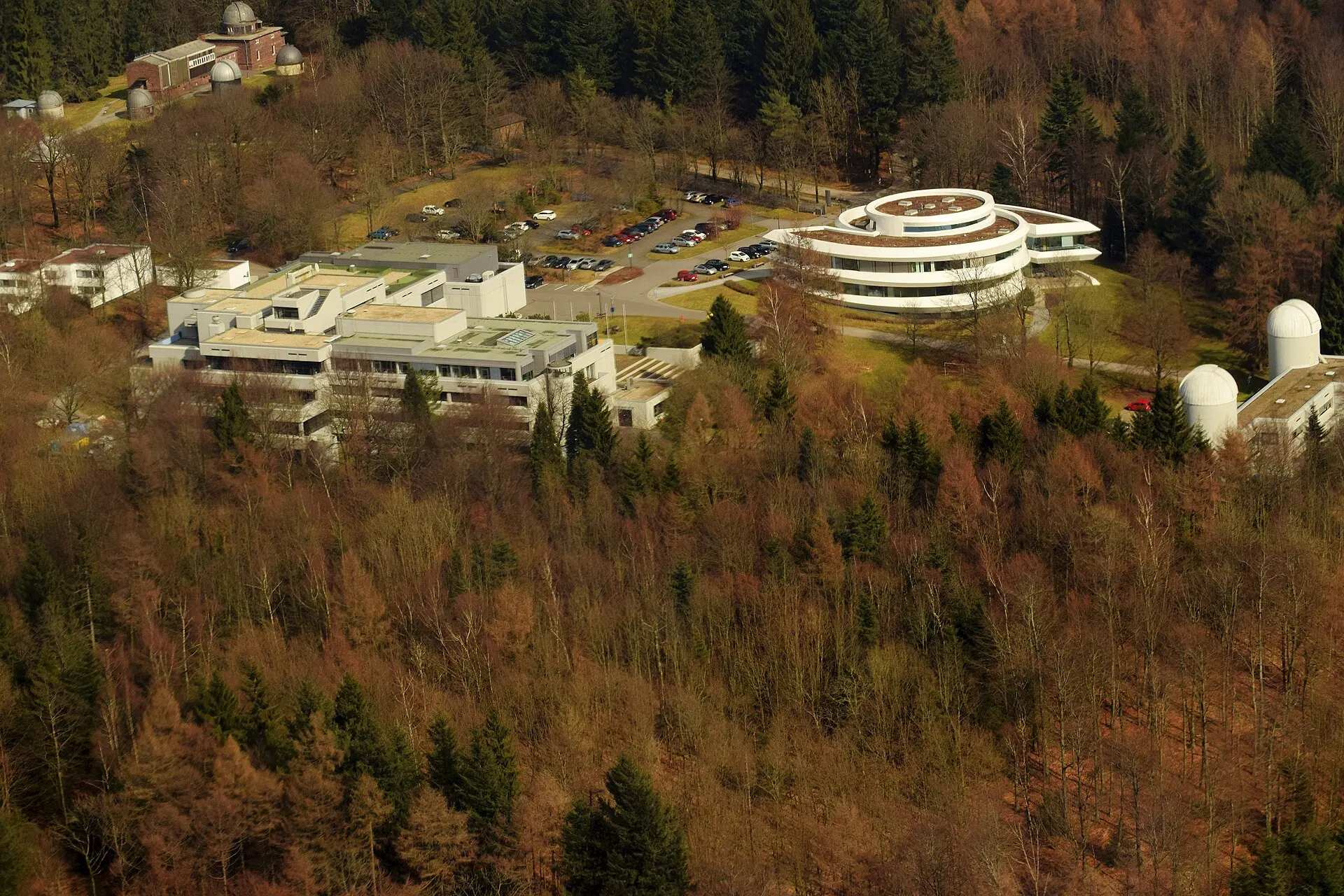
Heidelberg is a center of top-level research far beyond the university itself. Several Max Planck Institutes, part of Germany's leading network of publicly funded basic-research institutes, are based in and around the city: the MPI for Astronomy, the MPI for Nuclear Physics, the MPI for Medical Research and the MPI for Comparative Public Law and International Law.
Add to that other renowned institutions such as the German Cancer Research Center (DKFZ) and the European Molecular Biology Laboratory (EMBL). Together with the university hospitals and the science faculties, they form a tightly packed research cluster.
That concentration of research institutions draws scientists from all over the world and gives Heidelberg its international, academic atmosphere, most visibly around the campus in the Neuenheimer Feld and up on the Königstuhl.
You might also like

Ruperto Carola, Germany's Oldest University
Founded in 1386 by Elector Ruprecht I, Heidelberg University is the oldest university on the territory of present-day Germany.
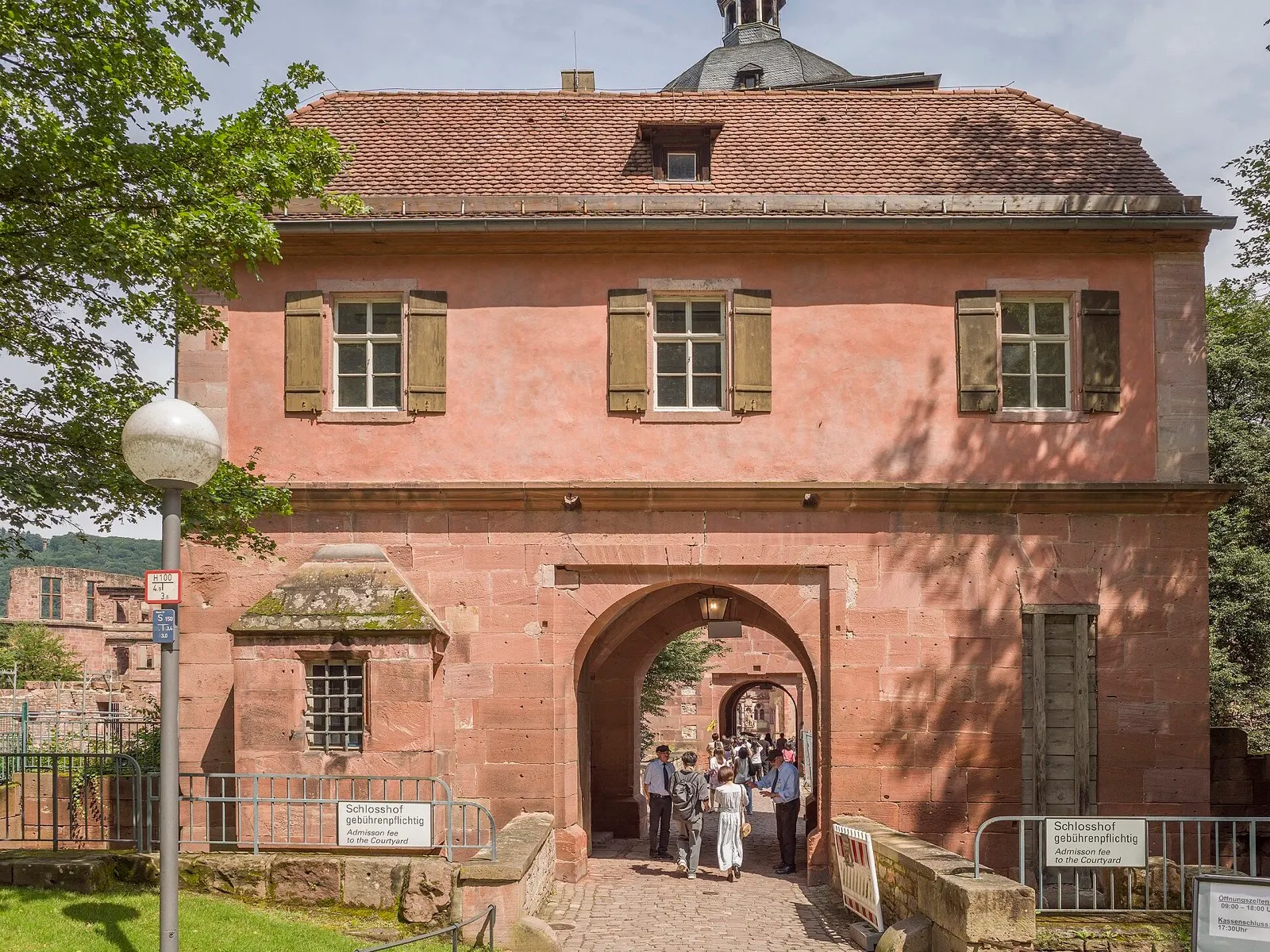
Heidelberg Romanticism
Brentano, Arnim, Eichendorff: how Heidelberg became a center of the German Romantic movement in the early 19th century.
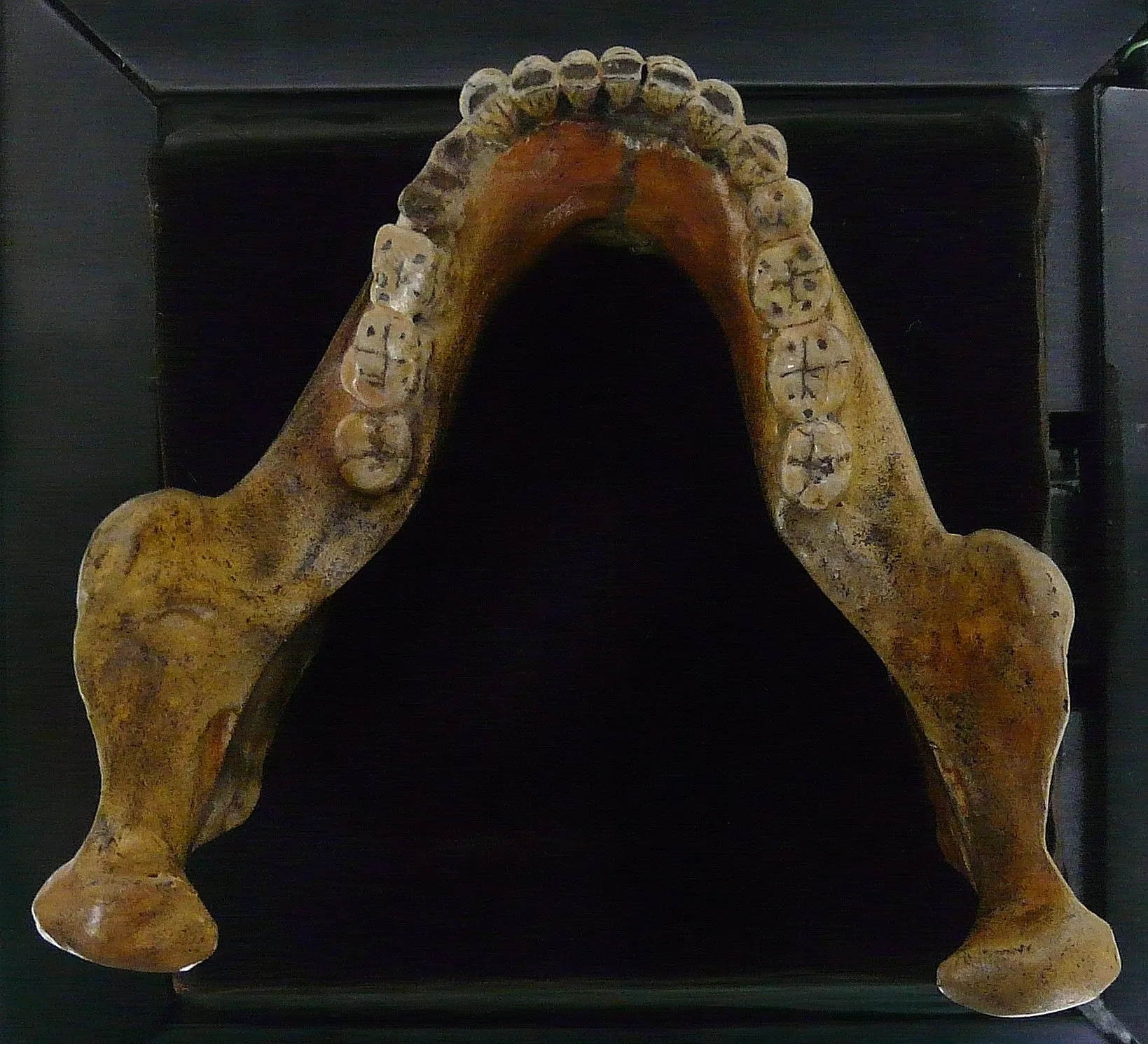
Homo heidelbergensis
A jawbone unearthed in 1907 at Mauer near Heidelberg gave the region its own branch of the human family tree.