
District
Pfaffengrund
Heidelberg's garden city of 1920 – a planned settlement modelled on the German garden-city movement, with green courtyards and a cooperative tradition.
Pfaffengrund was built from 1919/1920 as a planned garden city, inspired by the garden-city movement and examples such as Dresden-Hellerau and Karlsruhe-Rüppurr. Terraced houses with their own gardens and squares lined with lime trees still define the district today – an island of gardening between industry and motorway.
Pfaffengrund is a textbook example of the garden-city movement of the early 20th century: instead of cramped tenements, working families were to live in terraced houses with gardens of their own. Built from 1919/1920, the district deliberately follows models such as Dresden-Hellerau and Karlsruhe-Rüppurr.
Green courtyards, squares lined with lime trees and the cooperative tradition still define the quarter today. Tucked between industrial estates and the motorway, Pfaffengrund feels like a green island – a quiet residential quarter with an identity of its own, well off the tourist track.
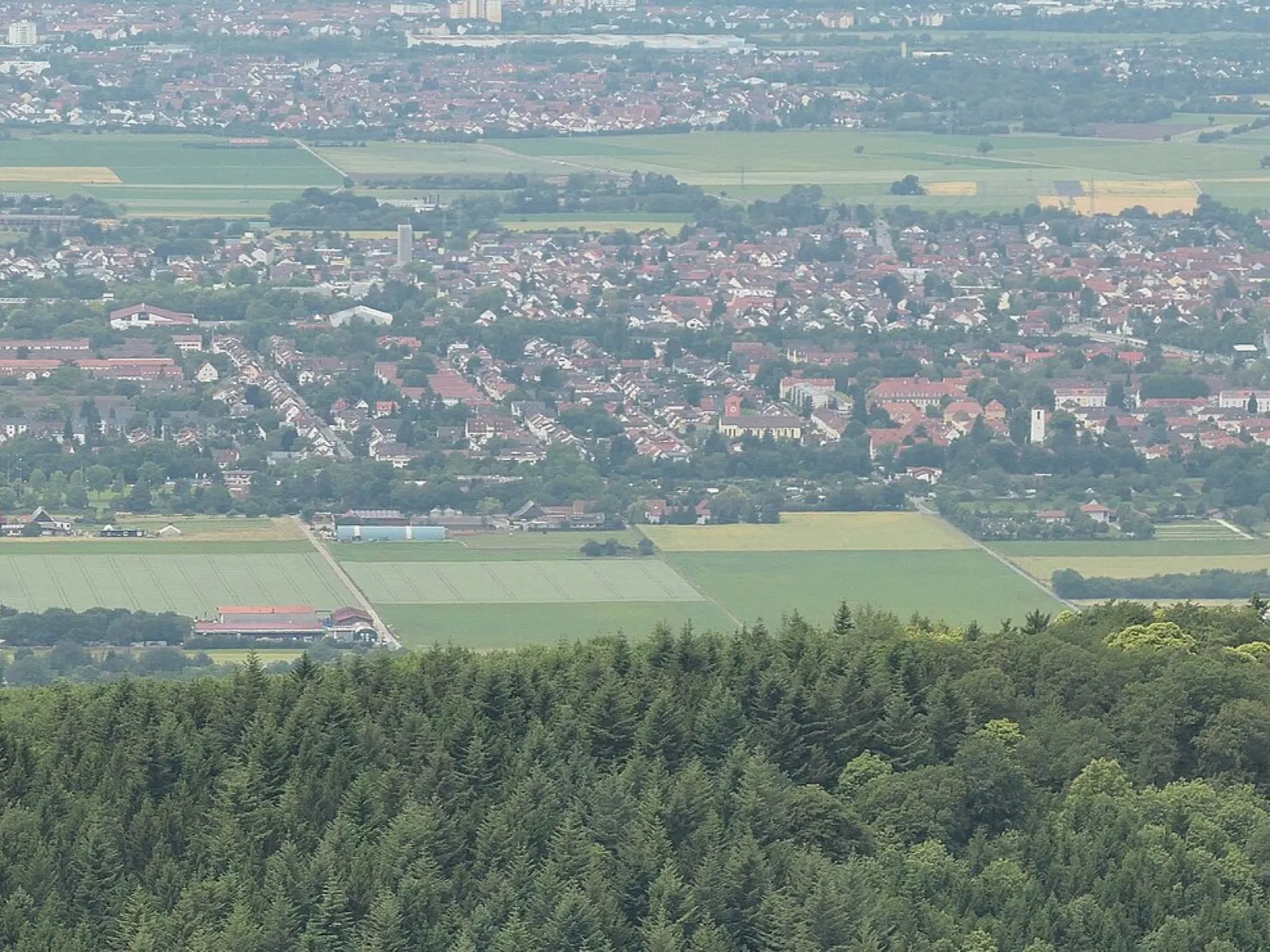
Sights around Pfaffengrund
Pfaffengrund is first and foremost a place where people live and work - Heidelberg's classic landmarks are mostly in the Old Town, only a few minutes away. From here you can reach the castle, the Old Bridge and the Philosophers' Walk easily by tram, bus or bike.
Hotel map
Hotels in and around Pfaffengrund
Places to stay near Pfaffengrund - compare live prices and availability.
* Map powered by Stay22. If you book through the markers we earn a commission; it does not cost you a cent more.
Explore other districts
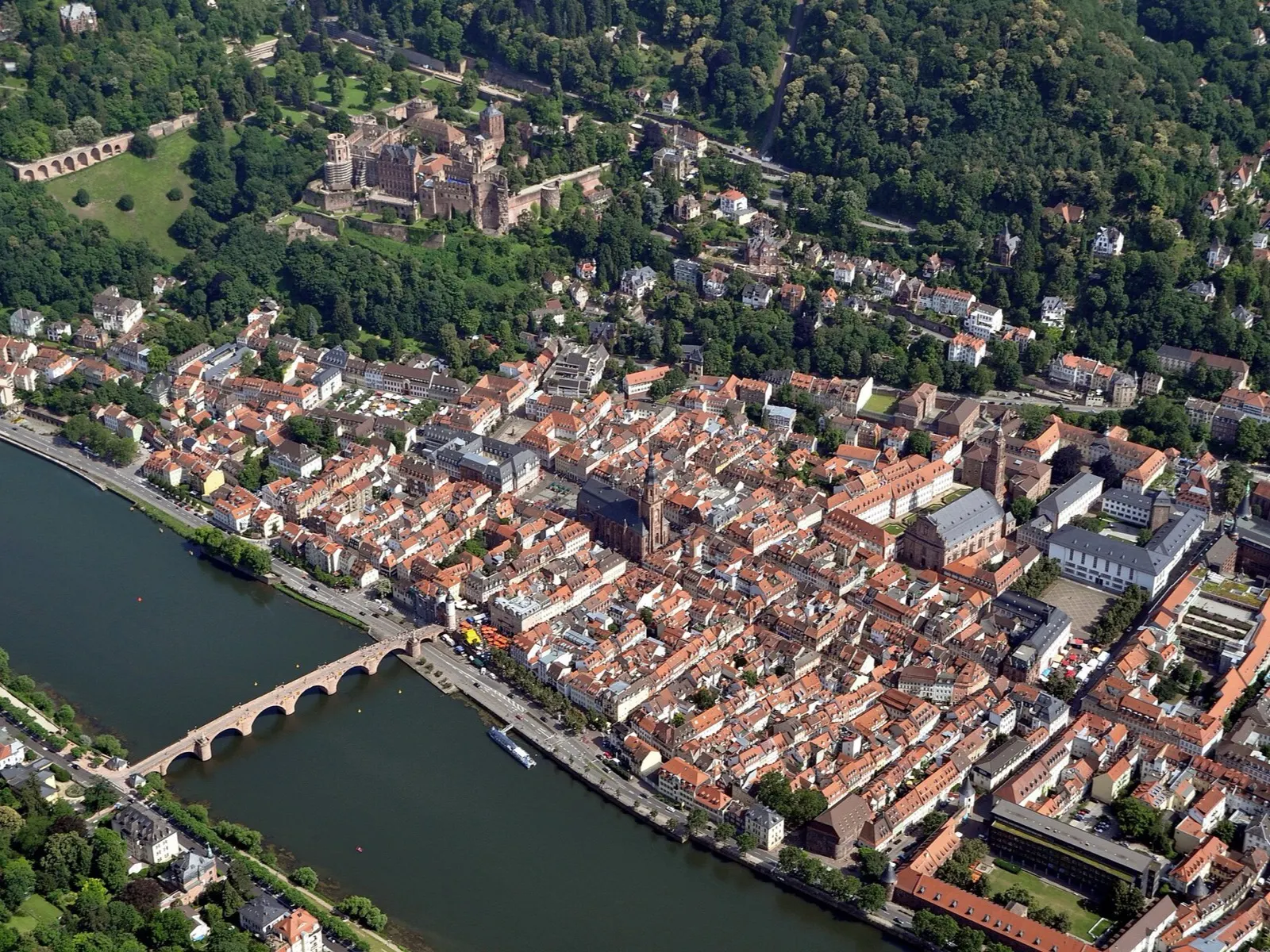
Altstadt
The historic heart of Heidelberg between the Neckar and the Königstuhl – with the castle, the Old Bridge, the Church of the Holy Spirit and one of Germany's longest shopping streets.
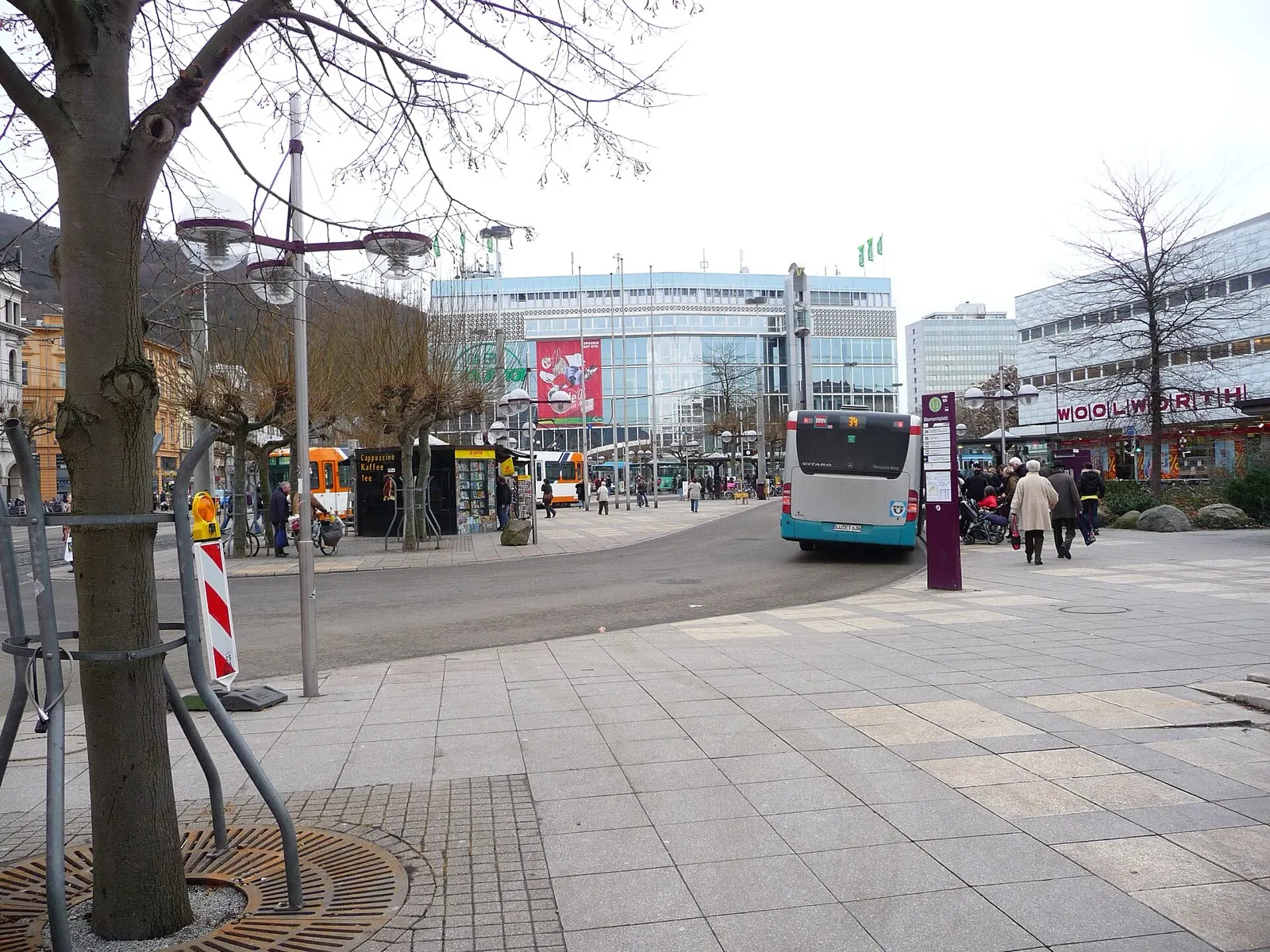
Bergheim
Once an industrial quarter, today a lively neighbourhood – home to the main station, Bismarckplatz and plenty of bars and cafés.
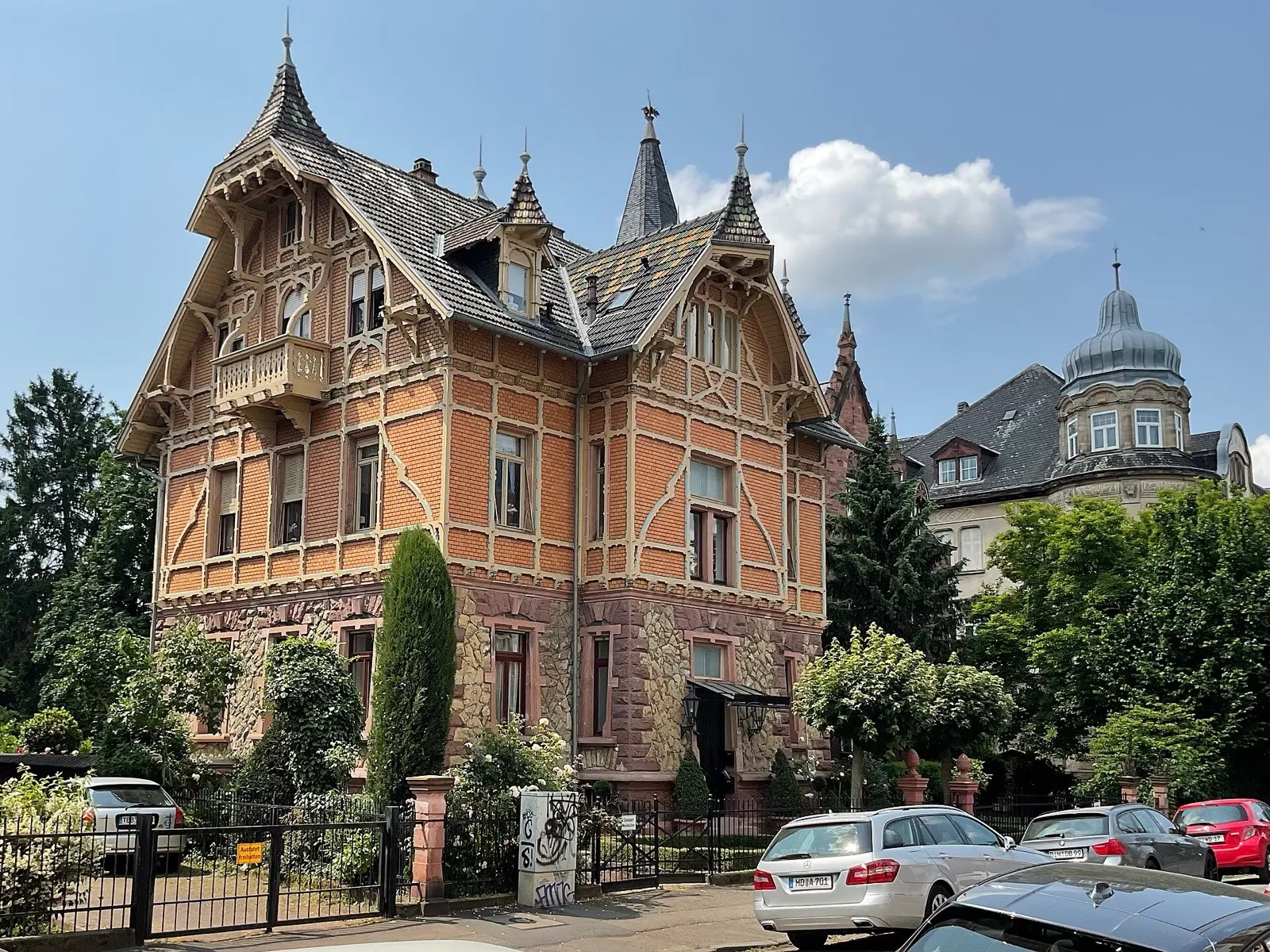
Weststadt
Elegance and Gründerzeit grandeur – stately villas, quiet residential streets, Wilhelmsplatz and easy reach of the main station.