
Heidelberg facts
Heidelberg Romanticism
Brentano, Arnim, Eichendorff: how Heidelberg became a center of the German Romantic movement in the early 19th century.
Heidelberg as a stage for German Romanticism
In the early 19th century, Heidelberg became one of the most important settings of German Romanticism, the literary and artistic movement that turned away from strict reason toward folk tradition, nature and longing. It was here that Achim von Arnim and Clemens Brentano published "Des Knaben Wunderhorn" (The Boy's Magic Horn), one of the most significant German folk song collections, assembled from sources across Germany.
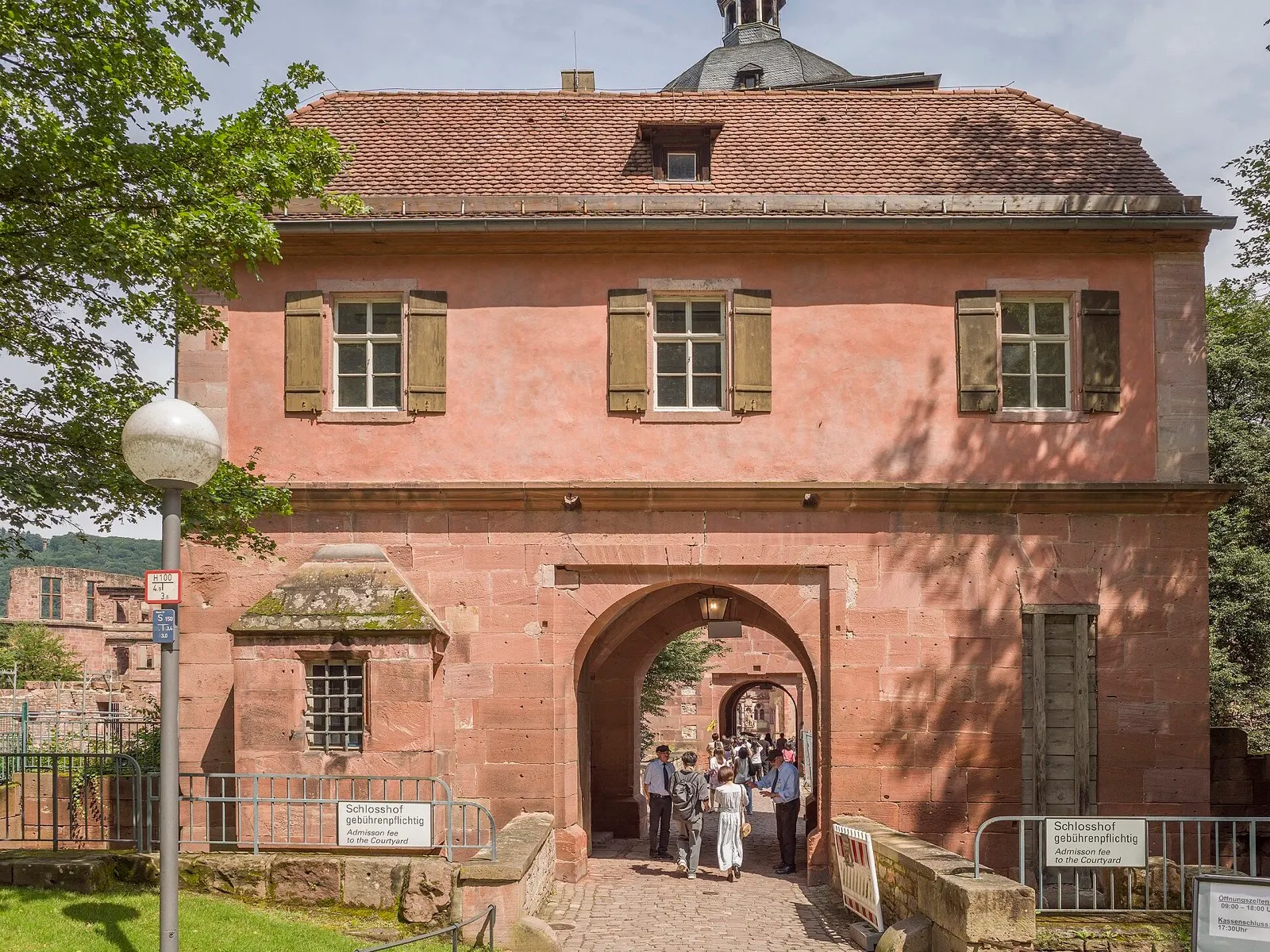
Joseph von Eichendorff studied in Heidelberg as well, and scholars such as Joseph Görres worked in the city. For the Romantics, the castle ruin above the Neckar, its faded grandeur and the landscape of the Neckar valley became an emblem of transience and yearning.
Painters and poets immortalized the castle and the town in pictures and verse. That combination of ruin, river and mountain backdrop still defines the romantic image of Heidelberg, and with it the way visitors experience the city.
You might also like

Ruperto Carola, Germany's Oldest University
Founded in 1386 by Elector Ruprecht I, Heidelberg University is the oldest university on the territory of present-day Germany.

Homo heidelbergensis
A jawbone unearthed in 1907 at Mauer near Heidelberg gave the region its own branch of the human family tree.

Student Life in Heidelberg
From the student jail to the dueling fraternities, from the Schnookeloch tavern to the Untere Straße: more than 600 years of studying in Heidelberg.